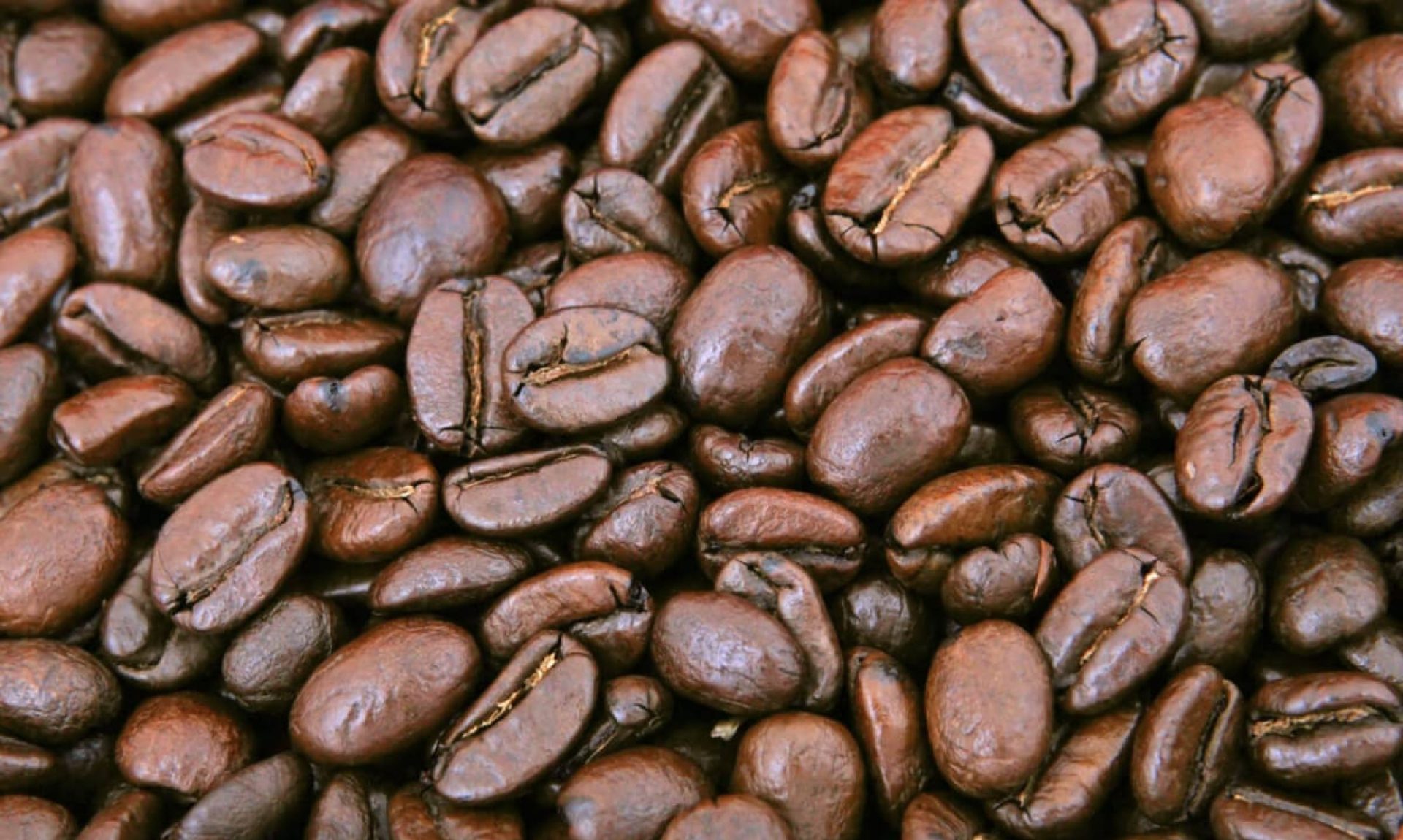
When people think of high-quality coffee, one origin almost always comes to mind: Colombia. Known for its smooth balance, bright acidity, and rich flavor, Colombian coffee has earned a reputation as one of the most consistent and beloved coffees in the world.
But there’s much more to Colombian coffee than its reputation. From diverse growing regions to careful processing methods, coffee from Colombia offers a wide spectrum of flavors that appeal to both beginners and seasoned coffee enthusiasts.
Let’s explore what makes Colombian coffee so special.
What Is Colombian Coffee?
Colombian coffee refers to coffee grown in Colombia, one of the largest producers of Arabica coffee in the world. Unlike some countries that produce both Arabica and Robusta, Colombia focuses almost entirely on Arabica — the species known for its sweetness, complexity, and aromatic profile.
The country’s geography plays a major role. Located along the Andes Mountains, Colombia offers:
- High altitudes
- Rich volcanic soil
- Stable climate year-round
- Ideal rainfall patterns
These conditions create an environment where coffee plants can thrive and develop complex flavors.
What Does Colombian Coffee Taste Like?
If you’re wondering what Colombian coffee tastes like, the answer is: balanced, bright, and approachable.
Typical flavor notes include:
- Caramel
- Red apple
- Citrus (orange, lemon)
- Milk chocolate
- Brown sugar
- Honey
- Light floral notes
Compared to Brazilian coffee (often nutty and low-acid), Colombian coffee tends to have:
- Higher acidity (but not overwhelming)
- Medium body
- Clean, crisp finish
This balance makes it incredibly versatile — enjoyable as both a daily coffee and a specialty experience.
Why Colombian Coffee Tastes This Way
Several factors shape the unique profile of Colombian coffee.
1. Altitude
Most Colombian coffee is grown at elevations between 1,200 and 2,000 meters above sea level. Higher altitude slows the growth of coffee cherries, allowing them to develop more sugars and complexity.
2. Washed Processing
Colombia is famous for its washed (wet) processing method.
In this method:
- The fruit is removed from the bean soon after harvest
- Beans are fermented and washed with water
- Then dried carefully
This results in a cup that is:
- Clean
- Bright
- Well-defined in flavor
3. Climate and Harvest Cycles
Colombia’s location near the equator allows for:
- Multiple harvest seasons in some regions
- Consistent production year-round
This helps maintain a steady supply of fresh coffee.
Coffee Regions of Colombia
Colombia is divided into several coffee-growing regions, each offering slightly different flavor profiles.
1. Huila
One of the most celebrated regions today.
Known for:
- Bright acidity
- Fruity sweetness
- Notes of citrus and tropical fruit
2. Antioquia
A more traditional coffee region.
Typical profile:
- Chocolate
- Nutty notes
- Balanced body
3. Nariño
High-altitude region with cooler climate.
Flavors often include:
- Floral notes
- Citrus brightness
- Complex acidity
4. Tolima
A region gaining attention in specialty coffee.
Profile:
- Sweet
- Balanced
- Slight fruitiness
Why Colombian Coffee Is So Popular
Colombian coffee has global appeal for several reasons:
✔ Consistency
Strict quality control and established farming practices help maintain a reliable standard.
✔ Accessibility
Its balanced flavor makes it easy to enjoy for a wide range of coffee drinkers.
✔ Versatility
Works well for:
- Espresso
- Pour-over
- Drip coffee
- French press
Is Colombian Coffee Good for Espresso?
Yes — although it’s slightly different from traditional espresso bases like Brazilian coffee.
Colombian espresso tends to have:
- Brighter acidity
- Fruit-forward notes
- Caramel sweetness
It’s often used:
- As a single-origin espresso
- Or blended to add brightness and complexity
Colombian Coffee in Specialty Coffee
In recent years, Colombian coffee has become a major player in the specialty coffee scene.
Farmers and producers are experimenting with:
- Natural processing
- Honey processing
- Controlled fermentation
- Microlots and traceability
This has led to more diverse flavor profiles, including:
- Berries
- Tropical fruit
- Wine-like acidity
- Floral complexity
Colombia is no longer just “reliable” — it can also be exciting and innovative.
How to Choose Colombian Coffee Beans
When buying Colombian coffee, look for:
Origin details
Specific regions like:
- Huila
- Nariño
- Antioquia
- Tolima
Processing method
- Washed → clean and bright
- Natural → sweeter and fruitier
- Honey → balanced and creamy
Tasting notes
Choose based on your preference:
- Chocolate & caramel → classic profile
- Citrus & fruit → brighter, modern profile
Who Should Drink Colombian Coffee?
Colombian coffee is ideal for:
- People new to specialty coffee
- Those who enjoy balanced, clean flavors
- Fans of mild acidity
- Anyone looking for a versatile everyday coffee
It’s often considered one of the best “gateway” coffees into higher-quality beans.
Final Thoughts
Colombian coffee has earned its place as one of the most respected coffee origins in the world.
Its combination of:
- Balanced flavor
- Bright but pleasant acidity
- Consistent quality
- Regional diversity
…makes it a reliable favorite and a source of exciting discoveries.
Whether you prefer a smooth morning cup or a complex pour-over, Colombian coffee offers something for everyone.
It’s not just famous — it’s genuinely worth exploring.