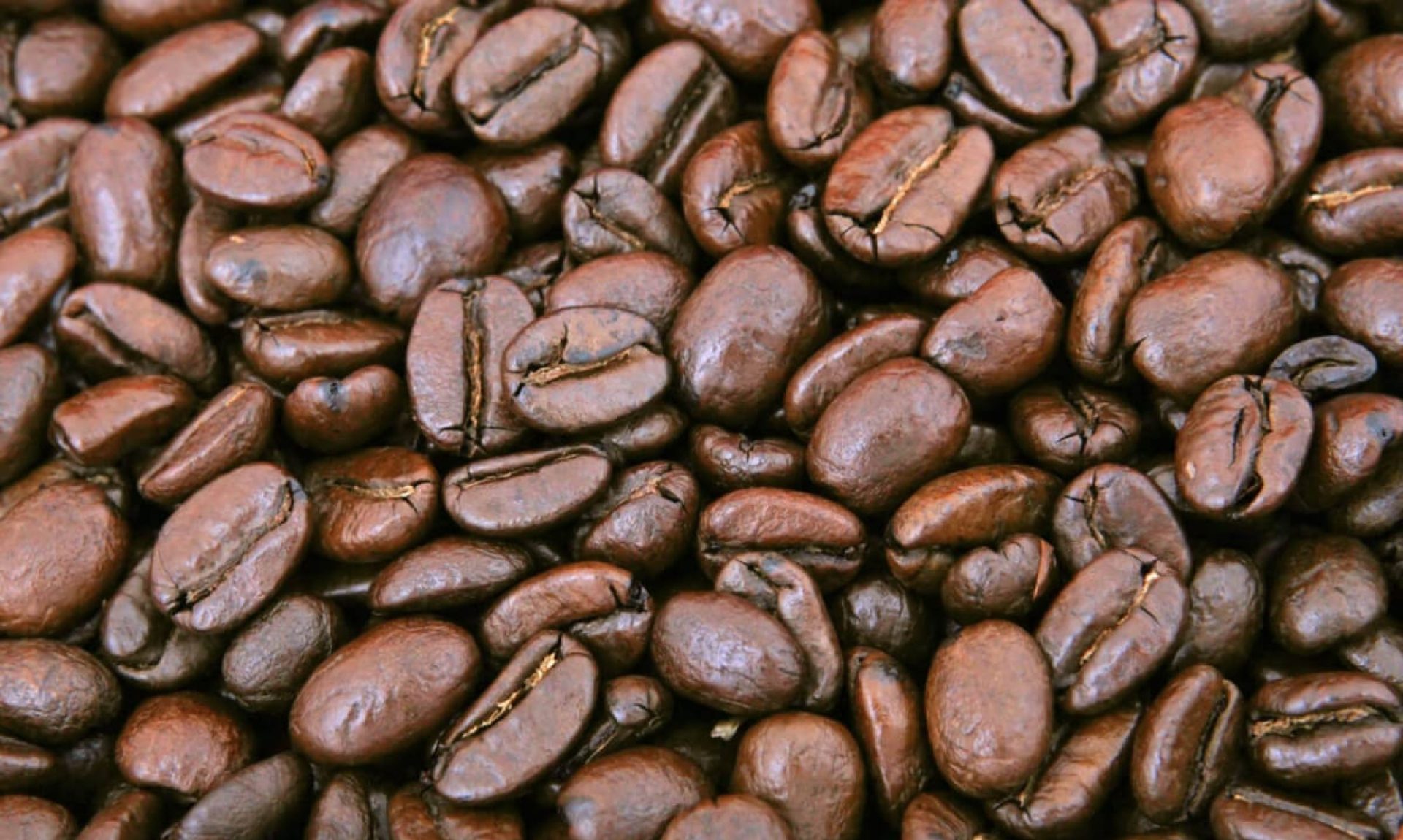
When people think of coffee, there’s a good chance they’re already thinking about Brazil — even if they don’t realize it.
Brazil is the largest coffee producer in the world, and for many coffee drinkers, it’s the origin behind the cup they know best: smooth, chocolatey, nutty, and comforting. Brazilian coffee is often approachable and crowd-pleasing, but that doesn’t mean it’s simple. In fact, Brazil offers a fascinating range of flavors, regions, and processing styles that make it one of the most important countries in the coffee world. If you want to understand coffee better, Brazil is one of the best places to start.
Why Brazilian Coffee Matters
Brazil has shaped the global coffee industry for more than a century. It produces an enormous share of the world’s coffee and plays a major role in everything from pricing to taste expectations.
But beyond scale, Brazil matters because of consistency.
Brazilian coffees are often used as the backbone of espresso blends thanks to their low acidity, balanced sweetness, and rich body. At the same time, high-quality single-origin Brazilian coffees have become increasingly respected among specialty coffee roasters for their complexity and clean sweetness.
In other words: Brazil is not just “bulk coffee.” It can be comforting, elegant, and surprisingly expressive.
What Does Coffee from Brazil Taste Like?
Brazilian coffee is known for being smooth, sweet, and easy to enjoy.
While flavor varies by farm, altitude, processing method, and region, there are a few classic tasting notes that appear again and again:
- Milk chocolate
- Cocoa
- Roasted hazelnuts
- Almonds
- Caramel
- Brown sugar
- Dried fruit
- Mild citrus
- Sometimes subtle berry or tropical fruit notes
Compared with coffees from places like Ethiopia or Kenya, Brazilian coffee is usually less acidic and more rounded. Instead of bright floral or wine-like flavors, it often leans toward comforting dessert-like notes.
That makes it a favorite for people who want a coffee that feels rich and balanced rather than sharp or intensely fruity.
Why Brazilian Coffee Tastes This Way
A lot of Brazil’s signature flavor comes from a combination of climate, geography, and processing methods.
Brazil has vast coffee-growing areas with warm temperatures, predictable seasons, and many farms located at moderate altitudes. These conditions help produce beans with sweetness and body rather than very high acidity.
Another key factor is processing.
Brazil is especially known for natural and pulped natural processing:
- Natural process coffees are dried with the fruit still around the bean, often creating sweeter, fruitier, fuller-bodied cups.
- Pulped natural coffees remove some of the fruit but leave mucilage on the bean during drying, often resulting in a cup that feels clean but still sweet and creamy.
These methods often enhance the chocolate, nut, and caramel profile that Brazilian coffees are famous for.
The Main Coffee Regions of Brazil
Brazil is huge, and its coffee profile changes depending on where the beans are grown. Here are a few of the best-known regions:
1. Minas Gerais
This is Brazil’s coffee heartland and one of the most important producing areas in the world.
Coffees from Minas Gerais are often:
- Sweet
- Nutty
- Chocolate-forward
- Balanced and approachable
Subregions like Sul de Minas, Cerrado Mineiro, and Mantiqueira de Minas each have their own identity, but many coffees from this state are classic examples of what people expect from Brazilian coffee.
2. São Paulo
Coffee from São Paulo can be elegant and refined, often with a soft sweetness and clean body. Historically important to Brazil’s coffee industry, the state still produces excellent coffees today.
3. Espírito Santo
This region is particularly known for producing Robusta (Conilon) as well as Arabica. It plays an important role in Brazil’s broader coffee landscape and is increasingly gaining attention for quality improvements.
4. Bahia
Bahia is known for more modern, technically advanced coffee production. Depending on the farm and process, coffees from this region can be very clean, sweet, and surprisingly vibrant.
Arabica vs. Robusta in Brazil
Brazil grows both Arabica and Robusta, though Arabica tends to get more attention in specialty coffee.
Arabica
Typically associated with:
- Sweeter flavors
- More complexity
- Chocolate, nuts, fruit, and caramel notes
Robusta (often called Conilon in Brazil)
Typically associated with:
- Stronger bitterness
- Heavier body
- More caffeine
- Earthier or more intense flavor
While Robusta has historically been used in instant coffee and lower-cost blends, high-quality Robusta is gaining more respect — and Brazil is part of that story too.
Why Brazilian Coffee Works So Well for Espresso
If you’ve ever had an espresso that tasted like chocolate, toasted nuts, and caramel, there’s a good chance Brazilian coffee played a role.
Brazilian beans are ideal for espresso because they often bring:
- Low to medium acidity
- Creamy body
- Sweetness
- Balance
- A smooth finish
They help create espresso that tastes rich and comforting rather than sour or overly sharp.
That’s why so many roasters use Brazilian coffee as the foundation of espresso blends — it adds body and sweetness while helping other origins shine.
Is Brazilian Coffee Good for Filter Brewing Too?
Absolutely.
Although Brazil is often associated with espresso, many Brazilian coffees are excellent as pour-over, drip, AeroPress, or French press.
For filter coffee, Brazil can be a great choice if you enjoy cups that are:
- Sweet rather than acidic
- Rounded rather than tea-like
- Chocolatey rather than floral
A well-roasted Brazilian coffee can be especially satisfying as a daily drinker because it tends to be easy to brew and broadly appealing.
Brazilian Coffee in Specialty Coffee
For years, Brazil had a reputation for producing huge volumes rather than exciting microlots. That perception has changed dramatically.
Today, many Brazilian producers are focusing on:
- Better harvesting practices
- Improved drying and processing
- Traceability
- Experimental fermentation
- Higher-scoring specialty lots
As a result, modern Brazilian specialty coffee can be much more diverse than people expect. Alongside the classic chocolate-and-nut profile, you can now find coffees with notes of:
- Red berries
- Stone fruit
- Honey
- Tropical fruit
- Floral sweetness
- Wine-like depth
Brazil still excels at comfort, but it can also surprise you.
What to Look for When Buying Brazilian Coffee
If you’re shopping for Brazilian coffee, check the bag for a few clues:
Origin detail
Look for specific regions like:
- Sul de Minas
- Cerrado Mineiro
- Mantiqueira de Minas
- Mogiana
- Chapada Diamantina
The more specific the origin, the more likely the coffee has a clear flavor identity.
Processing method
This can tell you a lot about the cup:
- Natural = fruitier, sweeter, fuller
- Pulped natural / honey = creamy, sweet, balanced
- Washed = cleaner, lighter, sometimes brighter
Tasting notes
Common descriptors include:
- Chocolate
- Hazelnut
- Caramel
- Brown sugar
- Red fruit
- Cocoa nibs
These are often good indicators of whether the coffee matches your taste preferences.
Who Will Love Brazilian Coffee?
Brazilian coffee is especially good for people who enjoy:
- Smooth, low-acid cups
- Chocolatey or nutty flavors
- Espresso drinks
- Balanced everyday coffee
- A “comfort coffee” profile
If you’re new to specialty coffee and don’t want to start with something intensely floral or acidic, Brazil is a fantastic gateway.
And if you’re already deep into coffee, Brazilian lots can still be exciting — especially when sourced from standout producers and thoughtfully roasted.
Final Thoughts
Brazilian coffee has earned its place at the center of the coffee world.
It’s reliable without being boring, familiar without being flat, and versatile enough to work beautifully as both a daily brew and a high-quality specialty experience.
At its best, coffee from Brazil offers everything many people want in a cup: sweetness, body, balance, and warmth.
So if you’re looking for a coffee that feels welcoming but still has depth, Brazil is always worth exploring.
One cup might taste like chocolate and hazelnuts. Another might surprise you with berries and honey.
That’s the beauty of Brazilian coffee: it’s bigger, richer, and more interesting than its reputation suggests.